


New GP Trainee Rotation: 5 things you must consider
If you’re about to start your new rotation as an NHS GP trainee – whether in General Practice or hospital – this blog is for you!
I remember the feeling before a new rotation very well from my own GP trainee days – often a mixture of anxiety and excitement. Having been through seven different rotations myself as a trainee,
Starting a new rotation in GP training can feel unsettling. You may feel excited, unsure or a mix of both. Every GP trainee knows that feeling. I remember it well from my own rotations in both hospital and practice settings.
Before you step into your new post, it helps to pause and think about a few key areas. I completed seven rotations during my own training and now support trainees every day as an educator. The same themes keep coming up. When you understand them early, your rotation feels smoother and your learning grows faster.
In this guide I share five points that every GPST1 and GPST2 trainee should consider before starting a new rotation. These will help you settle in, build confidence and make steady progress toward your AKT and SCA.
– Join National AKT WhatsApp teaching group here
– Join National SCA WhatsApp teaching group here
– For GP trainee update and teaching emails click here
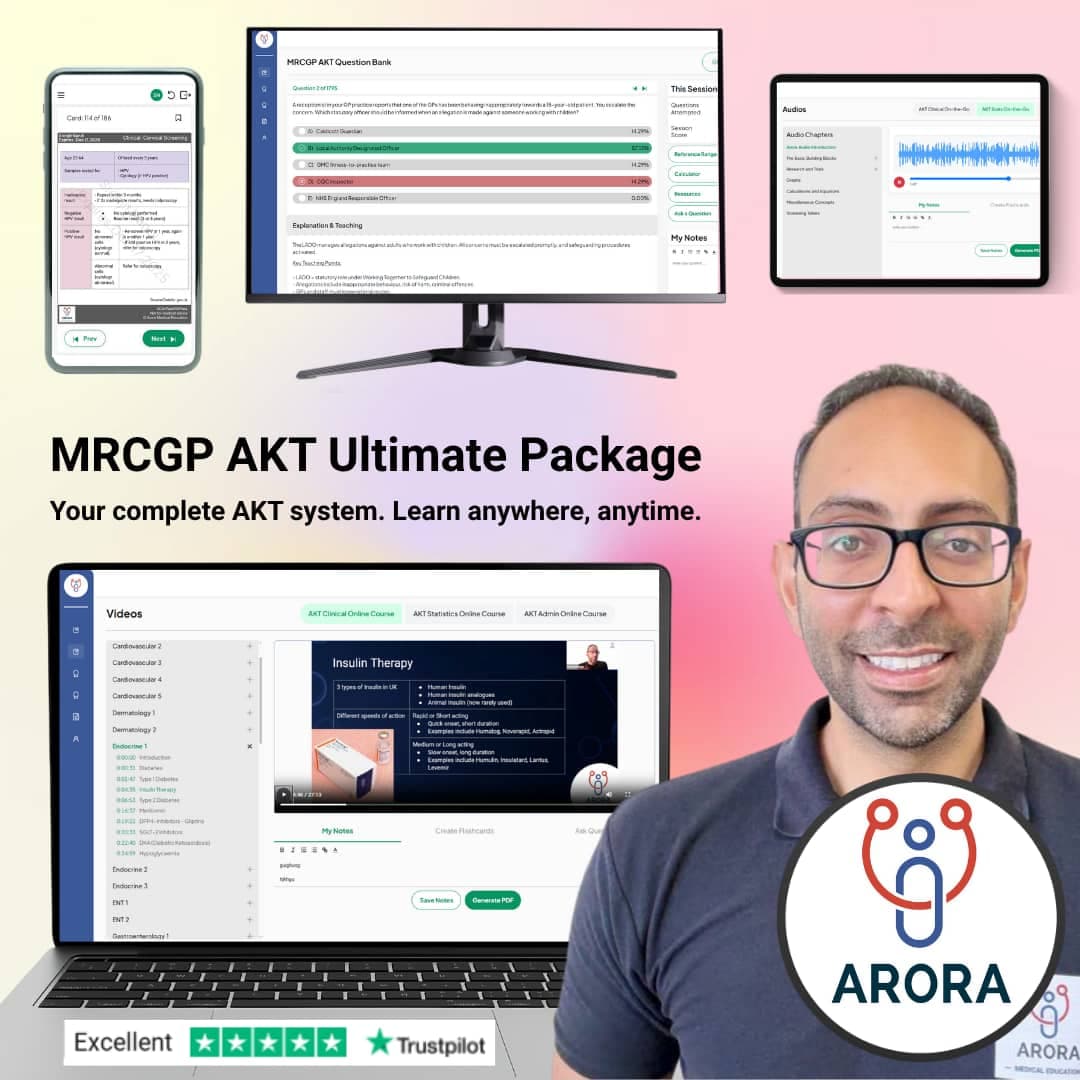
– For MRCGP AKT Preparation click here
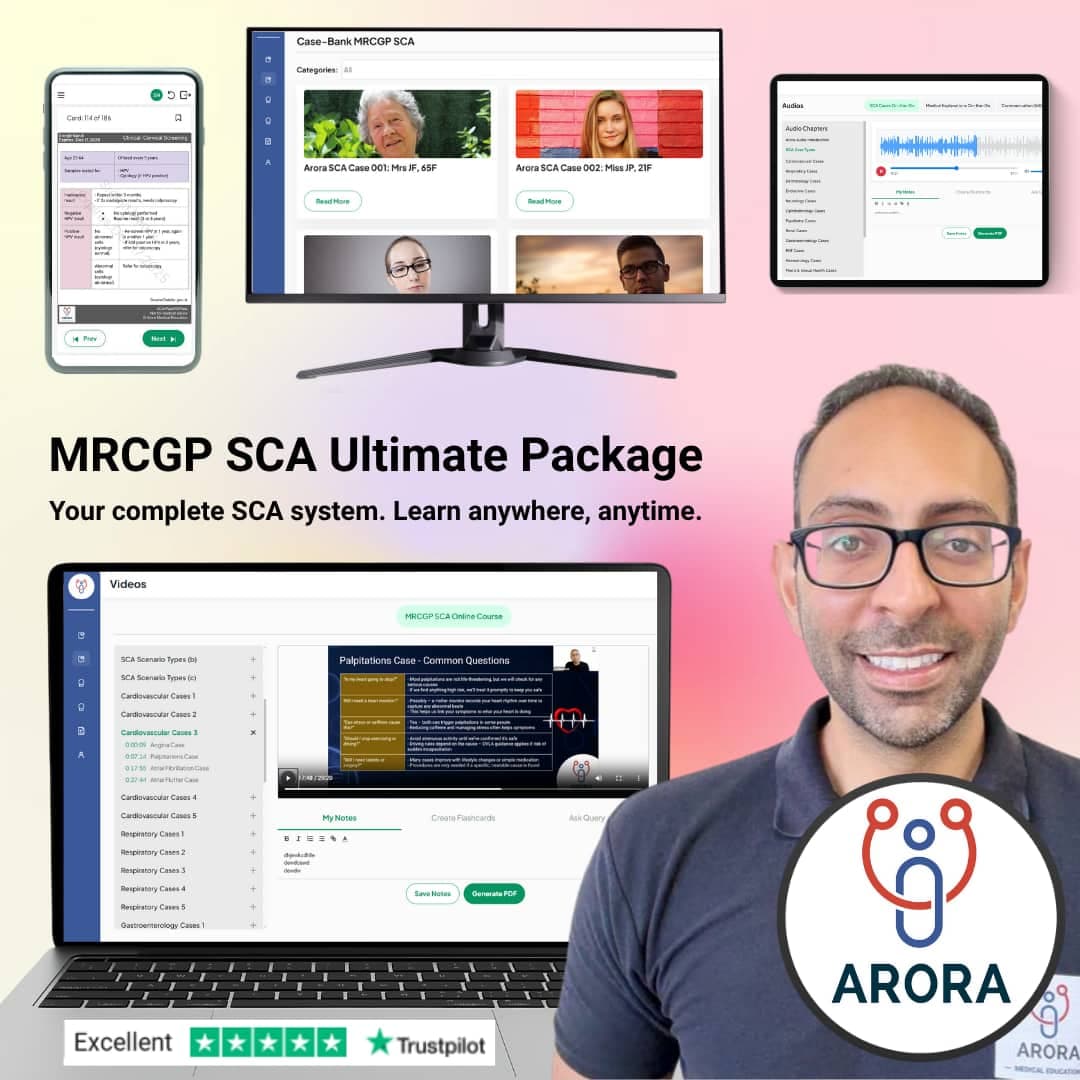
– For MRCGP SCA Preparation click here
Introduction
Deaneries offer different rotations, but every programme follows GMC standards. Wherever you train, each post is designed to build the skills you need for safe and confident GP practice.
Starting a new rotation often brings mixed feelings. As someone who has been supporting GP trainees for over 10 years, I regulalry come across the same patterns. When trainees think about a few key areas before they start, they settle quicker, learn more and feel more in control. Here are five points that will help you get the most from your new rotation.
Consider Your Weaknesses
Before you start a new rotation, take a moment to list the areas where you feel less confident. Be specific. If you are stepping into Paediatrics, think about your comfort with assessing unwell children. If you are moving into Mental Health, think about your approach to risk assessment or communication in complex reviews.
As a GP trainee I learned the value of this early. In my ENT rotation, otoscopy was a real struggle. I could not get a clear view of the eardrum and often doubted what I was seeing. Knowing this in advance pushed me to practise more and ask for focused feedback. By the end of the post, it had become a strength.
The same thing happened in Paediatrics. I had very little experience with babies and felt unsure about handling and examining them. Accepting that gap helped me plan my learning. With steady exposure and supervision, my confidence grew much faster than I expected.
Noticing your weaknesses before the rotation begins changes the way you learn during the post. It helps you stay intentional, seek the right opportunities and build skills that stay with you for the AKT, the SCA and day to day GP work. It also gives you early ideas for PDPs that you can develop throughout the rotation – to see PDP options for 20+ GP trainee rotations, click here.
Identifying gaps now means you finish the post with more confidence and more evidence for your portfolio. For most trainees, that early clarity makes a noticeable difference.
Talk to Someone with Experience
Before you start a new post, speak to someone who has already worked in that rotation. This could be a current trainee, a colleague from teaching sessions or a friend a year ahead of you. Their insight can save you time and stress. You will hear what the day to day work is like, what to watch out for and how to approach common challenges.
I think back to my own ENT rotation. I did not speak to anyone beforehand, even though several trainees had completed the post before me. I walked in with little idea of what to expect and had to work things out as I went. Reading guidelines helps, but nothing replaces practical tips from someone who has already been through it.
These conversations often give you simple, useful advice. How to manage clerking loads. How to stay organised on busy on calls. Which clinics give the best learning. What new trainees often find difficult. This information helps you feel settled from day one.
Listening to others with real experience also builds confidence for General Practice. You start the post feeling more prepared and less intimidated, which makes it easier to focus on learning and building skills for your AKT, SCA and portfolio.
Plan your Assessments
Assessment planning is one of the most important parts of each rotation. Work out what you need to complete at your stage of training. List your required CBDs, COTs, Mini-CEXs and any other workplace based assessments. Once the mandatory items are clear, map out when you will complete them. Early planning gives you space later in the post to stay ahead rather than scramble in the final weeks.
Trainees often get caught out by avoidable problems. Supervisors go on leave. On calls become heavier than expected. Illness or rota changes interrupt plans. Without early organisation, you can reach the end of the rotation with gaps that create unnecessary stress.
After you plan the mandatory assessments, think about which opportunistic ones will be easiest to achieve in this post. Some CEPS, for example, may be far more achievable in one rotation compared to another. Use that to your advantage.
I see many trainees struggle because they delay assessment planning. Ten minutes of clear thinking at the start of the rotation can prevent weeks of pressure later on. Early structure makes everything else feel more manageable.
See a full review of GP training work-base placed assessments here.
Think About the Clinics You Want to Attend
Each rotation offers clinics that can shape your learning as a future GP. Before you start, make a list of the clinics that would benefit you most. Focus on areas where you feel less confident or where you know the learning will transfer directly to General Practice.
When I started Paediatrics, I knew the clinics I wanted to attend. Paediatric asthma. Paediatric allergy. Paediatric ENT. These were areas I needed to strengthen and areas I knew I would see often in GP work. Because I planned this early, I could speak to my educational supervisor in week one. They helped arrange clinic time and made sure I could step away from the ward when needed.
Attending these clinics gave me a better understanding of how secondary care and primary care link together. It also improved my confidence in areas that later helped with the AKT, the SCA and day to day GP consulting.
This applies to GP rotations as well. Many practices run specialist clinics led by nurses, pharmacists, paramedic practitioners and other healthcare professionals. Sitting in on these can give you practical skills and insight that you may not get from standard surgeries.
Rotations get busy and supervisors support many trainees. If you wait too long to plan clinics, the best opportunities may be gone. Plan early so you can make the most of the rotation and build skills that matter.
Plan Your Leave Well
Leave planning is often ignored, yet it has a big impact on your rotation. If you already know when you will need annual leave, submit your request as early as you can. Early requests give teams time to adjust rotas and make approval more likely. In many cases, asking before the rotation starts is ideal.
Think about study leave in the same way. Plan the courses you want to attend, the exams you are preparing for and the dates that matter for your learning. I still remember missing a course in my GPST1 year because a colleague applied for study leave a week before I did. It is a small detail, but it can affect your training experience.
Structured leave is not guaranteed in every healthcare role you will have in the future. GP training is one of the few times where you can access planned annual leave and study leave with clear systems in place. Make the most of it now. Early planning helps you avoid disappointment, stay organised and support your preparation for the AKT and SCA.
In Summary
Here are five things every NHS GP trainee should think about before starting a new rotation:
✓ Consider your weaknesses
✓ Talk to those with experience
✓ Plan your assessments
✓ Plan your clinics
✓ Plan your leave
I would have benefited from this advice during my own rotations. You now have it from day one. Use these points to stay organised, build confidence and make the most of each post. Strong habits now will support you through the AKT, the SCA and your future work as a GP.
How Arora Medical Education Can Support You
Clear Teaching Built for Busy Trainees
If you want a guided path to exam preparation, our AKT resources and SCA resources help you build confidence at each step. Everything is created by UK GPs and Educators and focuses on both knowledge and technique.
Also:
– Join National AKT WhatsApp teaching group here
– Join National SCA WhatsApp teaching group here
– For GP trainee update and teaching emails click here
– Register for next Free AKT or SCA Webinar here

Author Bio — Dr Aman Arora
Hi! I’m Dr. Aman Arora, a Portfolio GP with over a decade of clinical and teaching experience, dedicated to helping doctors achieve their goals with confidence. Having had the privilege of supporting more than 50,000 doctors worldwide across exams such as MRCGP AKT, SCA, MSRA, PLAB 2 and PLAB 1, I understand the challenges you face and the strategies needed to overcome them. Through personalised face-to-face sessions, engaging online courses, mocks, audio and a vibrant social media community, we’re here to guide you every step of the way.
Whether you’re looking to pass crucial exams or take the next big step in your medical career, we’re here to help you succeed. Feel free to get in touch with any thoughts, questions, or ideas — I look forward to working with you and being part of your journey.

Author Bio — Dr Pooja Arora
Dr Pooja Arora is a GP with a background in Medical Politics, where she passionately focuses on improving the opportunities and working conditions for junior doctors. She is proud to hold FRCGP (Fellow of Royal College of General Practitioners).
You can find out more about Pooja’s previous roles and qualifications here.