Passing MSRA and getting into GP Training – Dr Mehek Arora
If you are a doctor preparing for your MSRA exam, this blog is a must to help you pass. We are lucky to have Dr Mehek Arora – a doctor who recently passed her MSRA assessment and got into GP training – share her experience of how she prepared and passed. – Get MSRA Updates and Teaching Emails here – Register for next Free MSRA Webinar here – Pass with MSRA Ultimate Package here
Emergency Medicine Training In The UK: What It Is and How To Apply
If you are a junior doctor considering a career in Emergency Medicine (EM) in the UK, this guide is for you. Emergency Medicine is a fast-paced, demanding and highly rewarding specialty. It attracts doctors who enjoy variety, acute care, decision-making under pressure and working as part of a large multidisciplinary team. It is also a specialty where early planning and understanding the recruitment process makes a significant difference. In this blog, we explain how Emergency Medicine training works in the UK, who can apply, how the application process is structured and why MSRA performance is now central to success. – Get MSRA Updates and Teaching Emails here – Register for next Free MSRA Webinar here – Pass with MSRA Ultimate Package here
What is the MSRA Exam and How to Prepare
Many doctors hear about the MSRA but are not always clear on what the exam actually involves or how best to prepare for it. This uncertainty often leads to late planning and unfocused revision. This guide explains the MSRA in clear, simple terms. It outlines what the exam tests, how it is structured and what effective preparation really looks like. It also helps you build a steady, realistic plan that fits around clinical work and avoids last minute panic. The aim is to give you clarity early, so your preparation is deliberate rather than reactive. – Get MSRA Updates and Teaching Emails here – Register for next Free MSRA Webinar here – Pass with MSRA Ultimate Package here
Psychiatry Training in the UK: What it is and How to Apply
If you are interested in Psychiatry training 2026 in the UK, this blog covers the MSRA 2026 exam and all you need to know about applying.
Core Surgical Training In The UK | CST | A Guide
If you are a junior doctor planning to apply for UK Core Surgical Training (CST) , this guide is for you. Core Surgical Training is a highly competitive programme and requires early, structured preparation . Applications are now closely linked to performance in the MSRA , alongside portfolio evidence and interview performance. Many doctors underestimate how early these elements need to come together. In this blog, we explain: – What CST actually involves – Who is eligible to apply – How the application and interview process works – How the MSRA fits into CST selection – What you should be doing now to prepare effectively This overview is based on current official NHS England recruitment guidance and reflects how CST is assessed and selected in real terms, not assumptions or outdated advice. We suggest also checking regularly for official updates here as information can change at short notice. Whether you trained in the UK or overseas, understanding the CST pathway clearly will help you plan realistically and avoid common mistakes that cost applicants places each year. – Get MSRA Updates and Teaching Emails here – Register for next Free MSRA Webinar here – Score high with MSRA Ultimate Package here
Radiology Training in the UK: What it is and How to Apply
Clinical Radiology is one of the most competitive specialty training pathways in the UK. Each year, large numbers of junior doctors apply, drawn by the breadth of clinical work, intellectual challenge, flexible working patterns and long-term career options. If you are considering applying for Radiology ST1 , this guide walks you through the process clearly and honestly. We cover what radiology training involves, who is eligible to apply, how the application works, and where most candidates succeed or fall short. We also explain the central role of the MSRA, which is now the key differentiator in the radiology selection process. – Get MSRA Updates and Teaching Emails here – Register for next Free MSRA Webinar here – Pass with MSRA Ultimate Package here
Passing the MSRA exam – How I got my first choice training rotation – Dr Anjani Durga
If you are a doctor preparing for your MSRA exam, this blog is a must to help you pass. We are lucky to have Dr Anjani Durga – a doctor who recently passed her MSRA assessment and got accepted into her first choice training programme – share her experience of how she prepared and passed… – Get MSRA Updates and Teaching Emails here – Register for next Free MSRA Webinar here – Pass with MSRA Ultimate Package here
How I passed MSRA and Got Multiple Offers – Dr Ibrahim Marwa
If you are a doctor preparing for your MSRA exam, this blog is a must to help you pass. We are lucky to have Dr Ibrahim Marwa – a doctor who recently passed his MSRA assessment and got accepted into Higher Training – share his experience of how he prepared and passed… – Get MSRA Updates and Teaching Emails here – Register for next Free MSRA Webinar here – Pass with MSRA Ultimate Package here
How I Passed my MSRA Exam and got into GP Training: Dr Malvika Jayakanthan
If you are a doctor preparing for your MSRA exam, this blog is a must to help you pass. We are lucky to have Dr Malvika Jayakanthan – a doctor who recently passed her MSRA assessment and got accepted into GP Training – share her experience of how she prepared and passed… – Get MSRA Updates and Teaching Emails here – Register for next Free MSRA Webinar here – Pass with MSRA Ultimate Package here
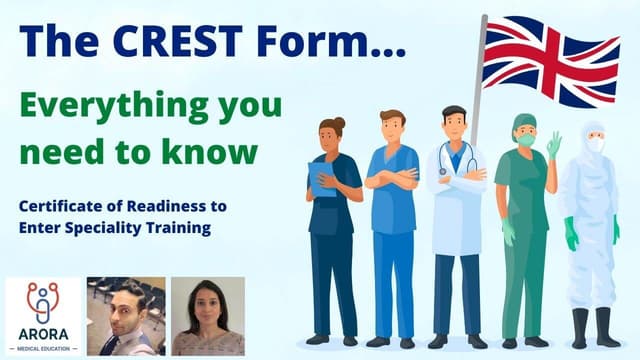
The CREST Form – Certificate of Readiness | What is it?
We regularly receive questions about the CREST Form 2024 in regards to application for Postgraduate Speciality Training in the UK. This blog aims to cover key points that you should know. CREST stands for Certificate of Readiness to Enter Speciality Training. This form enables applicants for Speciality Training to demonstrate that they have foundation level competences. – Register for our next Free MSRA Webinar here . – Join the Arora MSRA Telegram teaching group here . – Start our most comprehensive MSRA Ultimate Package here .
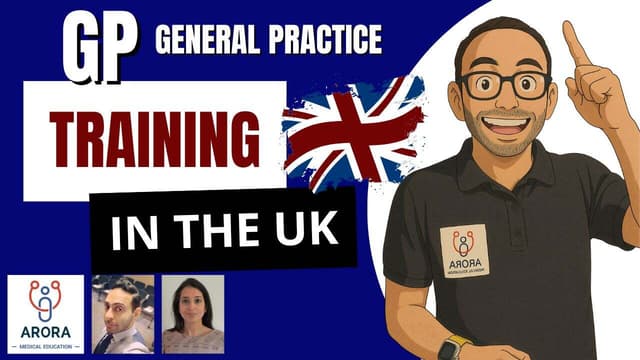
How to Get Into UK GP Training (UK-trained or IMG doctor)
Hello! If you are considering applying for a UK GP (General Practice) training post, then this blog is for you! GP training is the most popular UK Postgraduate medical training programme and in this blog we break it down in a step-by-step guide. – Register for our next Free MSRA Webinar here . – Join the Arora MSRA Telegram teaching group here . – Start our most comprehensive MSRA Ultimate Package here .